Use a great loyalty program Ďalej
Searching

Denim fabrics

next 36

Choose by color:

Clear Filter remove filter

Choose by weight:

Tatto

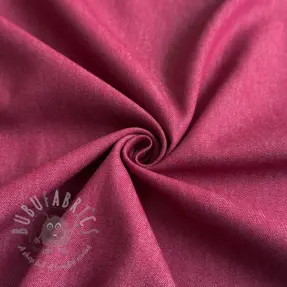
Jeans (Denim) Fabric by the Metre: Durable and Stylish Denim for Your Projects Color red

Jeans (Denim): Timeless Fabric for Fashion and Accessories

Are you looking for a material that never goes out of style and can handle almost anything? Jeans fabric (denim) is the queen of textiles. In our category at BubuFabrics.com, you will find authentic denim metreage that combines high durability with unmistakable style. Whether you are preparing to sew your first pair of original jeans or looking for a sturdy material for stylish accessories, our selection will not disappoint you.

Why choose denim from BubuFabrics?

Denim is not just about the colour blue; it is about character. Our range includes various types of denim to suit every creative idea:

  • Classic Rigid Denim: Ideal for projects that require shape retention and high durability – such as jackets, vests, or workwear.

  • Stretch Denim: Thanks to the addition of elastane, it adapts perfectly to the body. It is the clear choice for comfortable slim-fit trousers, skirts, or dresses.

  • Various Weights: From lightweight shirt denim to heavy, thick denim for backpacks and upholstery.

  • Wide Palette of Shades: From the classic "indigo" blue to black and grey, as well as modern washed and patterned versions.

What can you sew from denim?

The possibilities are nearly endless. In addition to traditional jeans and jackets, denim is great for:

  1. Fashion Accessories: Backpacks, tote bags, hats, or laptop sleeves.

  2. Children's Clothing: Dungarees that can withstand even the wildest crawling on knees.

  3. Home Decor: Stylish decorative cushions, placemats, or even original chair covers.


Show more... Zobraziť menej

hide Close

Jeans (Denim) Fabric by the Metre: Durable and Stylish Denim for Your Projects - Shopping Guide

Denim has come a long way—from the rugged workwear of gold miners to the runways of haute couture. It is a firm, dense fabric with a characteristic twill weave (diagonal ribbing). At bubufabrics.com, you will find denim in various finishes that determine whether it is suitable for a light summer shirt or heavy-duty winter trousers.


1. Types of Denim: Which one to choose?

Based on the selection at Bubufabrics, denim can be divided into these main categories:

  • Rigid Denim: 100% cotton without elastane. It is non-stretch, highly durable, and develops a beautiful patina over time. Ideal for classic "mom jeans," jackets, or sturdy bags.

  • Stretch Denim: The most popular choice. Thanks to 2–5% elastane, it adapts to the figure. Great for skinny jeans, sheath dresses, or children's trousers.

  • Lightweight Denim (Shirting): A thin material with a weight under 200 $g/m^2$. It is soft and fluid, ideal for shirts, summer skirts, or children's dresses. Often available in Tencel/Lyocell blends, which provide a silky sheen.

  • Printed and Patterned Denim: At bubufabrics.com, you can find denim with florals, dots, or abstract designs. This is a great way to liven up the classic denim look.

  • Lined/Warm Denim: A material that has a brushed, fleecy underside. The perfect choice for winter children's trousers, as you don't need to sew an extra layer of lining.


2. Technical Parameters: What to look for?

  • Grammage ($g/m^2$):

    • 120 – 180 g: Very thin denim (summer shirts, dresses).

    • 200 – 300 g: Medium-weight material (lighter trousers, skirts, children's wear).

    • 350 g and more: Proper, heavy denim for classic jeans and jackets.

  • Shrinkage: Due to the high cotton content, denim shrinks. Expect a margin of 5 – 10%.

  • Color Bleeding: Indigo dye is known for "bleeding" or fading. This is a desired effect for the aesthetic, but be careful during handling and the first few washes.


3. Sewing Tips: How to tame denim

Denim is a tough opponent, but with the right equipment, you can handle it with ease:

  • The needle is key: You absolutely need a Jeans (Denim) needle in sizes 90 to 110. It has a very sharp point designed to penetrate the dense weave without damaging the needle or the machine.

  • Special Topstitching Thread: To achieve that iconic jeans look, use a thicker, contrasting thread (such as orange or copper) for the topstitch. However, keep a standard universal thread in the bobbin.

  • Pre-washing: Mandatory! Wash denim separately at 40°C before sewing. This removes excess dye and lets the fabric shrink before you cut into it.

  • Handling thick seams: When sewing where multiple layers meet (e.g., belt loops or the yoke), use a "seam jumper" (or a piece of folded fabric under the back of the foot) to keep the presser foot level. This prevents needle breakage and skipped stitches.


4. Creative Tips: Denim has many lives

  1. Raw Edges: Denim frays beautifully. If you want a more rebellious look, don't hem the bottom of trousers or skirts—just sew a straight stitch 1 cm from the edge (to stop further fraying) and let it unravel naturally.

  2. Combining Face and Back: The reverse side of denim often has a different shade. Try using it for details like pockets or cuffs to create an interesting contrast without buying additional fabric.

  3. Upcycling: Denim is almost indestructible. Use scraps to sew great home accessories, oven mitts, or sturdy shopping bags.


5. Maintenance: Less is sometimes more

  • Wash Inside Out: Always wash denim garments inside out to prevent white streaks and "marbling" caused by the washing machine drum.

  • Temperature: 30°C to 40°C is plenty. Water that is too hot destroys elastane, causing the jeans to lose their shape and become "baggy."

  • Drying: If you are using stretch denim (with elastane), avoid the dryer. Heat ruins the elastic fibers. Rigid 100% denim can handle the dryer, but it may shrink more significantly.

Frequently Asked Questions (FAQ)

Q: What is jeans fabric, or denim, and what is it used for?
  • A: Jeans fabric, also called denim, is a sturdy cotton fabric woven in a twill weave, which gives it its characteristic diagonal pattern. It's durable, strong, and holds its shape well, making it ideal for jeans, skirts, dresses, jackets, and various accessories. It comes in a range of weights, from lighter fabrics to thick, heavy-duty types.
Q: What does denim weight in oz mean, and which should you choose?
  • A: Denim weight is often given in ounces per square yard, abbreviated oz, where a higher number means a thicker, heavier fabric. Lighter denim suits shirts, dresses, and skirts, mid-weight denim works well for everyday jeans, and heavier weights are best for sturdy pants and jackets. When choosing, think about how durable and rugged you want the finished item to be.
Q: Should denim be washed before sewing?
  • A: It's a good idea to pre-wash denim before sewing, since it can shrink slightly on its first wash and some types bleed dye. Pre-washing prevents the finished item from shrinking and changing size later. Wash denim separately the first time, so any dye that bleeds doesn't transfer onto other items.
Q: What's the difference between stretch denim and classic denim?
  • A: Classic denim is made mostly from cotton, so it's sturdy and holds its shape but has very little stretch. Stretch denim contains a small amount of elastane, which makes it flexible, lets it move with the body, and makes it more comfortable to wear. When choosing, consider whether you need a firm, structured fabric or a stretchy, comfortable one.
Q: How do you wash and dry denim clothing?
  • A: Wash denim at lower temperatures, usually up to 30–40°C (86–104°F), inside out and separately from light-colored laundry, so it doesn't bleed dye or fade. Avoid harsh bleaching and high drying temperatures, which can shrink the fabric. Drying it inside out and away from direct sunlight helps keep the color rich.
Q: What does twill weave mean in denim?
  • A: Twill weave is a weaving method in which the thread runs diagonally, creating the characteristic diagonal pattern on the surface of denim. This weave makes denim strong, durable, and good at holding its shape. When sewing, keep in mind that the fabric has a right side and a wrong side that differ in color.
Show more... Zobraziť menej

show Show

WE WILL BE HAPPY TO ADVISE YOU

WE WILL BE HAPPY TO ADVISE YOU
E-mail Facebook Instagram