Use a great loyalty program Ďalej
Searching

Softshell

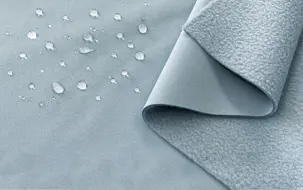
Soft Shell fabric has the advantage that it is water-repellent, has a breathability, is comfortable to wear and has a fire-resistant coating. The Softshell fabric is used on both sides. On the one hand, a water-repellent fabric and on the other hand, a thin micro-fleece fabric.
Suitable for: outdoor clothing, sportswear, golf pants, ski pants, jackets, laptop bags.

Show more... Zobraziť menej

hide Close

Softshell - Shopping Guide

Frequently Asked Questions (FAQ)

Q: What is softshell fabric and what is it used for?
  • A: Softshell is a multi-layer functional fabric that combines a water-repellent outer layer, often a breathable or waterproof membrane, and a warm fleece backing. This combination makes it windproof and resistant to light rain while still being breathable. It's most commonly used to make jackets, vests, children's trousers, and coveralls for transitional seasons and cooler weather.
Q: What weight of softshell is best for jackets and children's clothing?
  • A: Softshell fabric typically ranges from about 250 to 350 g/m². Lighter softshells around 250 g/m² are well suited to spring and autumn jackets and vests, while heavier types over 300 g/m², with more fleece on the back, are warmer and better for winter wear. For children's trousers and coveralls, a medium weight is usually the best choice, offering enough durability while staying comfortable.
Q: What does 'membrane' mean in softshell fabric, and how does it work?
  • A: A membrane is a thin layer bonded or laminated between the outer fabric and its backing. It's covered in microscopic pores that block wind and water from getting in, while still letting body moisture escape as vapor, so the fabric stays breathable. Thanks to the membrane, softshell offers much better wind and water resistance than a plain fabric without one.
Q: How do I wash softshell fabric so it keeps its water-repellent finish?
  • A: Wash softshell at a low temperature, usually 30°C, on a gentle cycle, and without fabric softener, since it clogs the pores and reduces breathability. Use a liquid detergent or one specially made for technical/performance fabrics. Over time, the water-repellent finish can be restored using a re-waterproofing treatment designed for membrane fabrics.
Q: Can softshell fabric be ironed?
  • A: Softshell should only be ironed carefully at a low temperature, ideally through a damp cloth, or better yet not ironed at all. High heat can damage the membrane and the water-repellent finish, and can distort the fleece backing. In most cases, ironing isn't even necessary, since the fabric smooths itself out once hung up.
Q: What is the difference between summer and winter softshell?
  • A: Summer or spring softshell has a thinner, less pronounced fleece backing, making it lighter and more breathable — ideal for transitional weather. Winter softshell has a denser, thicker fleece lining, making it warmer and better suited to cold weather. This difference also shows up in the fabric weight, as winter types tend to be heavier.
Show more... Zobraziť menej

show Show

WE WILL BE HAPPY TO ADVISE YOU

WE WILL BE HAPPY TO ADVISE YOU
E-mail Facebook Instagram