Use a great loyalty program Ďalej
Searching

Ribbing and Rib Knit Fabrics – Elastic Finishing for Your Sewing Projects

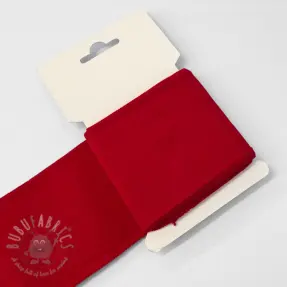
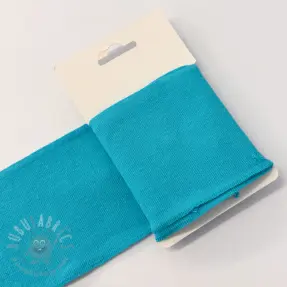
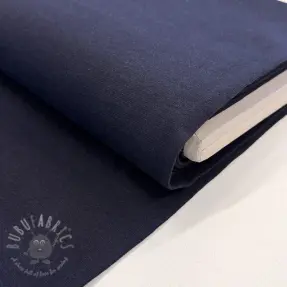
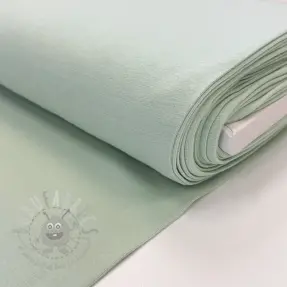
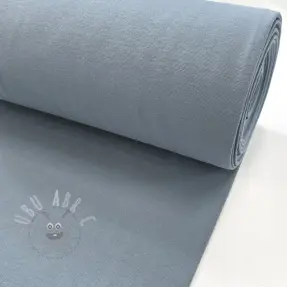
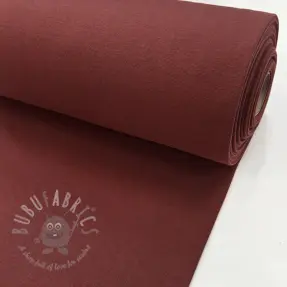
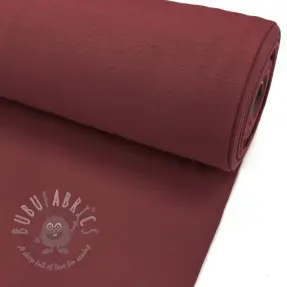
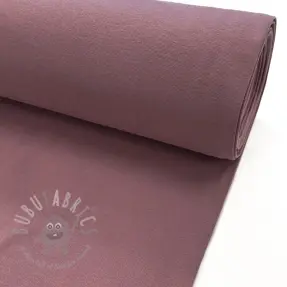
Looking for the perfect way to give your sewing projects a professional finish? Ribbing, also known as Rib Knit fabric or Cuffing, is an essential component for any garment. Whether you are sewing children's leggings, cozy hoodies, or classic T-shirts, the right ribbing provides the necessary shape, stretch, and aesthetic appeal. At BubuFabrics, we understand that the details define the quality, which is why we offer a wide range of ribbing fabrics known for their excellent recovery and colorfastness.

Our collection features various types of ribbing—from classic smooth textures to stylish ribbed variations (such as the popular 2x2 chunky rib or the finer 1x1 rib). These fabrics are engineered to snap back to their original shape after stretching, preventing sleeves, waistbands, and necklines from sagging. With a high cotton content and a touch of elastane (spandex), our ribbing is soft to the touch and perfectly safe for sensitive skin, making it ideal for baby garments.

How to Choose the Right Ribbing at BubuFabrics:

  • Smooth Ribbing: The ideal choice for lighter fabrics like cotton jersey. It is subtle and fine, perfect for finishing baby onesies or summer tees.

  • Chunky & 2x2 Ribbing: More robust and textured, these are perfect for pairing with sweatshirt fleece (French Terry). They are a top choice for bomber jackets, hoodie hems, and winter beanies.

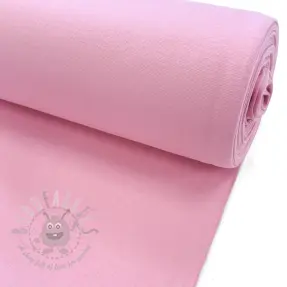
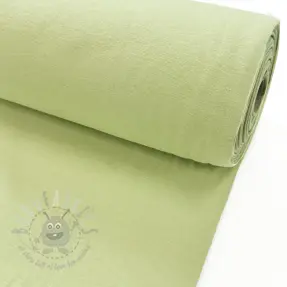
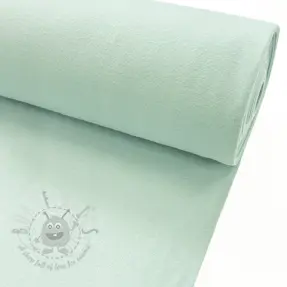
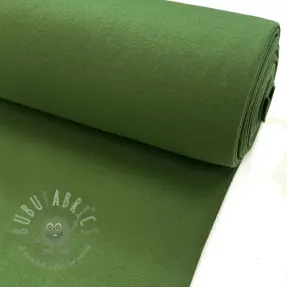
  • Color Matching: We know how important color coordination is. Many of our ribbing fabrics are color-matched to our jersey and sweat collections, ensuring your garment looks like it came straight from a high-end boutique.

  • Durable Quality: Our ribbing fabrics are pill-resistant and maintain their elasticity even after frequent washing—a crucial feature for high-wear areas like sleeve cuffs.

Whether you are a sewing beginner or a professional tailor, BubuFabrics ribbing will simplify your process and elevate your handmade wardrobe. Explore our rich color palette and find the perfect finishing touch for your next creation.

Show more... Zobraziť menej

hide Close

Ribbing and Rib Knit Fabrics – Elastic Finishing for Your Sewing Projects - Shopping Guide

Ribbing is an indispensable part of almost every project made from jersey or sweat fabrics. At bubufabrics.com, we offer ribbing that is not only color-coordinated with our main fabrics but also boasts high "recovery" – meaning it stretches comfortably and snaps back to its original shape without bagging out.

1. Types of Ribbing: Which One to Choose?

Ribbing types differ mainly by their structure and weight. Choosing the right one affects both the final look and the functionality of your garment.

  • 1x1 Rib (Smooth): Finely ribbed with a subtle, smooth appearance. It is ideal for baby clothes, T-shirts, tank tops, or lightweight sweatshirts.

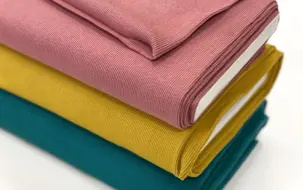
  • 2x2 Rib (Chunky): Features more prominent "ridges" and is usually firmer and thicker. It’s a perfect match for heavy hoodies, bomber jackets, winter hats, or the cuffs of joggers.

  • Performance Ribbing: Specially developed for activewear; it dries quickly and maintains extreme elasticity even under heavy use.

Most of our ribbing is sold as tubular knit, which makes it easier to cut smaller parts like cuffs without unnecessary waste.


2. Where Ribbing is Essential: Project Ideas

👕 Professional Finishing: That High-End Look

  • Necklines: Ribbing ensures that a T-shirt neckline doesn’t stretch out over time and sits flat against the body.

  • Cuffs and Hem Bands: On sweatshirts and joggers, it holds the garment in place and prevents cold air from blowing in.

👶 "Grow-with-Me" Clothes: Smart Sewing for Kids

  • Waistbands for Leggings: For babies, a wide ribbing waistband is much more comfortable than elastic because it doesn't dig into their tummy.

  • Extended Cuffs: Sew longer cuffs on sleeves and legs. As the child grows, simply unroll the cuff – this allows the garment to last an extra season.

🧣 Accessories: Quick and Effective Projects

  • Beanie Hats: You can whip up a stylish beanie from 2x2 ribbing in just a few minutes.

  • Snoods and Cowls: Thanks to its high elasticity, ribbing is easy to pull over the head while providing excellent warmth.


3. Sewing Tips: How to Achieve the Perfect Edge

Sewing ribbing requires a bit of technique, but the results are worth it:

  • The 0.75 to 0.8 Rule: The ribbing must always be shorter than the opening you are attaching it to. A common rule of thumb is to multiply the length of the opening by 0.8 (or 0.7 for very stretchy rib). This ensures the ribbing is slightly tensioned, preventing the edge from waving or gaping.

  • Even Stretching: When sewing, stretch only the ribbing, never the main fabric it is being attached to!

  • Needle and Stitch: Use only Stretch or Jersey needles with a ballpoint tip. Sew with an elastic stitch (zigzag or overlock) so the threads don't snap when the garment is being put on.


4. Care Instructions: Maintaining Elasticity

Our ribbing at Bubufabrics features a high cotton content with a touch of elastane (usually 5%). To keep the elastane working perfectly:

  • Washing: Wash at 30–40°C. Water that is too hot can "burn" the elastane fibers over time, causing the ribbing to lose its stretch.

  • Ironing: Iron on a medium setting. Avoid applying too much pressure or stretching the ribbing while ironing.

  • Drying: Air drying is ideal. If using a dryer, choose a gentle/cool cycle to prevent the elastic fibers from overheating and becoming brittle.

Frequently Asked Questions (FAQ)

Q: What is ribbing (elastic cuffing fabric) and what is it used for in sewing?
  • A: Ribbing, also called elastic cuffing fabric, is a stretchy knit fabric used in sewing to finish necklines, hems, sleeve cuffs, and waistbands. Thanks to its stretch, it lets the edge of a garment sit snugly against the body and spring back into shape after being stretched. It's a signature feature of hoodies, sweatpants, sweaters, and children's clothing.
Q: What's the difference between ribbing and cuffing fabric?
  • A: In practice, these refer to the same material, and the two terms are often used interchangeably. 'Cuffing fabric' is the general name for this stretchy knit trim, while 'ribbing' highlights its characteristic rib knit structure (such as a 1x1 or 2x2 rib), which gives the fabric strong crosswise stretch. So when shopping, you may come across both names for the same product.
Q: What is ribbing made from, and what's its typical fiber content?
  • A: Ribbing is most commonly made from cotton blended with a touch of elastane (Lycra/spandex) — typically around 95% cotton and 5% elastane — which gives it both softness and stretch. You'll also find blends made with polyester or viscose. It's the elastane content that determines how well the trim holds its shape and springs back after stretching.
Q: How do I wash ribbing without it losing its stretch?
  • A: Wash ribbing at a low temperature, ideally no more than 30-40°C, and skip the fabric softener, since it can coat the fibers and reduce their elasticity. Avoid wringing it out forcefully or tumble drying on high heat, as heat damages elastane. Dry it laid flat so the trim keeps its shape.
Q: How do I choose ribbing for sleeve cuffs and hoodie hems?
  • A: For hoodies and sweatpants, choose ribbing with a higher elastane content so the cuffs and waistband hold their shape and don't stretch out over time. It's important to match the weight and color to the garment's main fabric, most often a sweatshirt fleece knit. Cut the ribbing a little shorter than the circumference of the opening, so that once sewn on, it pulls in slightly for a snug, neat fit.
Q: What's the difference between smooth and ribbed cuffing fabric?
  • A: Ribbed cuffing has visible vertical ribs (a 1x1 or 2x2 knit) and stretches noticeably more widthwise, making it ideal for cuffs, waistbands and necklines. Smooth cuffing has a finer, flatter surface and is used more as a general trim fabric where maximum stretch isn't essential. For classic sweatpants and hoodies, ribbed cuffing is the more common choice.
Show more... Zobraziť menej

show Show

WE WILL BE HAPPY TO ADVISE YOU

WE WILL BE HAPPY TO ADVISE YOU
E-mail Facebook Instagram