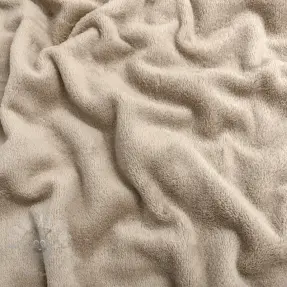
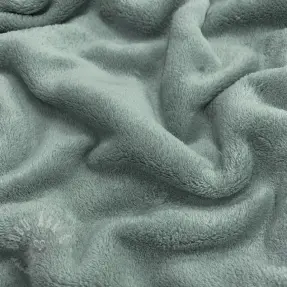
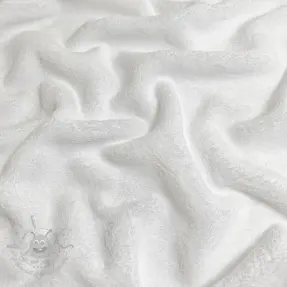
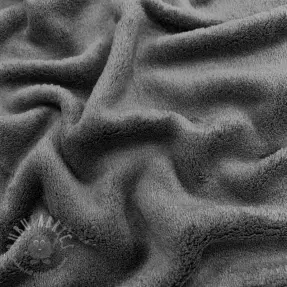
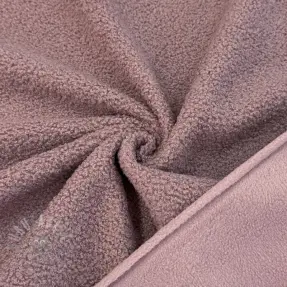
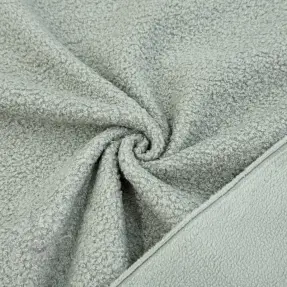
Here is the complete, unabridged English version of the knowledge base for the Fleece category, optimized for your international customers:
🧶 Buying Guide: Fleece (Knowledge Base)
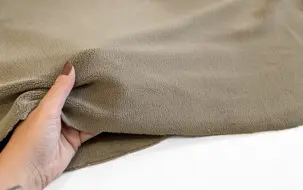
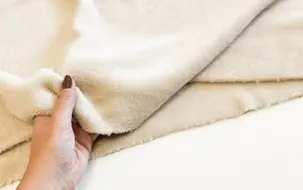
Fleece caused a minor revolution in the textile industry. It was originally created as a vegan and lighter alternative to sheep's wool. It is a functional, warm material loved by children and outdoor enthusiasts alike. If you are looking for something soft that will keep you warm and won't "trouble" you while sewing, fleece is the perfect choice.
1. Types of Fleece Materials: Which One to Choose?
Not all fleece is the same. The differences lie mainly in the density of the weave and the surface finish:
-
Polar Fleece: The classic, medium-weight fleece. It is a universal material for sweatshirts, hats, or neck warmers.
-
Microfleece: A thinner and softer version. Ideal as a lining for softshell trousers, for light sports turtlenecks, or baby blankets.
-
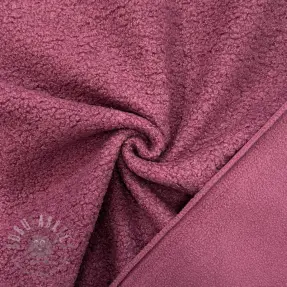
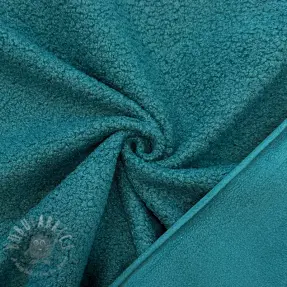
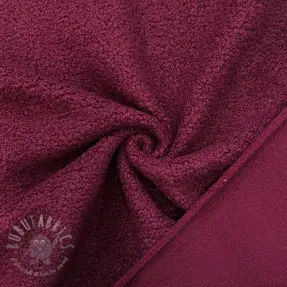
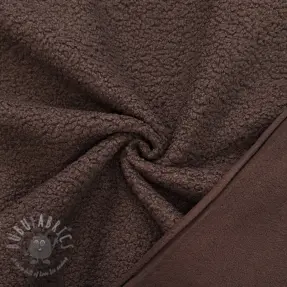
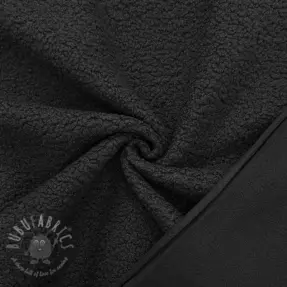
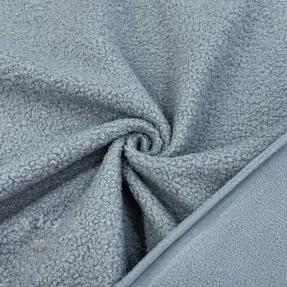
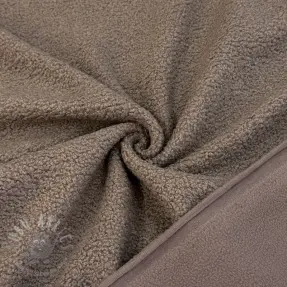
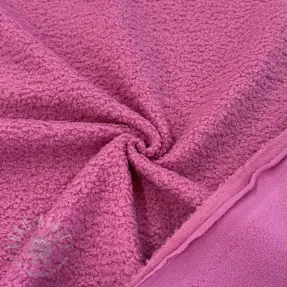
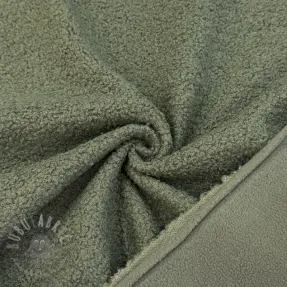
Sherpa (Sheepskin Fleece): A type of fleece that imitates sheep's wool on one side. It is extremely warm and currently very trendy for oversized vests and the lining of winter coats.
-
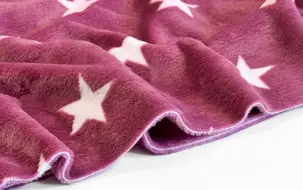
Wellsoft / Minky: Specific categories of long-pile fleece that are incredibly soft to the touch. They are most commonly used for baby blankets, bathrobes, and plush toys.
2. Technical Parameters: Antipilling and Grammage
When choosing fleece, pay special attention to the following information:
3. Sewing Tips: Fleece is Forgiving
Fleece is one of the most rewarding materials for beginners. Why? Because it does not fray!
-
No need to finish edges: If you are in a hurry, you don't have to finish the edges of fleece with a zigzag stitch. The fabric remains stable after cutting without unraveling.
-
Choosing a needle: Use a Jersey or Ball Point needle (with a rounded tip) in size 80 to 90. A sharp needle could damage the synthetic fibers and cause skipped stitches.
-
Nap direction: If you stroke the fleece, you will notice it is smoother in one direction. When cutting your pieces (e.g., sleeves), make sure the nap direction points downwards on all parts. If you were to cut one piece in the opposite direction, the color shade would look different in the light.
-
Stitch type: Fleece is slightly stretchy. Use a narrow zigzag or another stretch stitch so that the seams do not snap during wear or when putting the garment on.
4. Creative Tips: Sewing Without a Machine?
Fleece is so stable that you can create with it even without a sewing machine:
-
Tie Blankets: Simply cut the edges of two layers of fleece into tassels and then tie them together. This is a great activity to do with children!
-
Dog Toys: Cut fleece scraps into strips and braid them into a tight plait. This creates a durable and safe tug toy for pets.
-
Quick Neck Warmers: Fleece only stretches widthwise. Cut a rectangle, sew one seam, and you have a functional accessory in just a few minutes.
5. Maintenance: Beware of Heat
Fleece is made of synthetic fibers (polyester), so it does not like high temperatures:
-
Washing: A temperature of 30°C to 40°C is perfectly sufficient.
-
Fabric Softener: It is better to skip it. Fabric softener can "clog" the fibers, causing the fleece to lose its moisture-wicking ability and breathability.
-
Ironing: Usually not necessary as fleece is wrinkle-resistant. If you must iron it, do so only at a very low temperature through a pressing cloth; otherwise, the fibers could be permanently damaged.
Frequently Asked Questions (FAQ)
Q: What is fleece and what is it made from?
- A: Fleece is a soft knitted fabric with a brushed pile on the surface that resembles fine wool. It's most commonly made from polyester, often recycled. It's lightweight, warm, breathable and quick-drying, which is why it's widely used for sweatshirts, blankets, hats and children's clothing. The brushed surface traps heat effectively despite its light weight.
Q: What weight of fleece should you choose for a sweatshirt versus a blanket?
- A: Fleece weight is measured in grams per square metre and indicates its thickness and warmth. For sweatshirts and lighter clothing, a medium weight of around 200–300 g/m² works well, offering good warmth without bulk. Blankets and throws call for a heavier weight, which is thicker and warmer. Lighter weights (microfleece) are best suited to linings and light layers.
Q: What is anti-pilling fleece?
- A: Anti-pilling fleece is fleece with a surface treatment that reduces bobbling. Regular fleece can start to pill with wear and washing, whereas the anti-pilling finish reinforces the surface, keeping it smoother and neater-looking even after repeated washes. That's why it's a popular choice for clothing and items that get washed often.
Q: How do you wash fleece so it doesn't pill?
- A: Wash fleece at a lower temperature, usually around 30°C, on a gentle cycle and turned inside out. Avoid fabric softener, as it clogs the fibres and reduces both warmth and breathability. Tumble drying on high heat isn't recommended, as it can damage the pile; fleece usually air-dries quickly anyway. Ironing is generally unnecessary, and a hot iron can damage the polyester.
Q: What's the difference between classic fleece, microfleece and sherpa fleece?
- A: Classic fleece is a versatile, medium-thickness fabric used for sweatshirts and blankets. Microfleece is thinner and lighter, ideal for linings, base layers and lightweight clothing. Sherpa fleece has a bulky, curly pile resembling sheep's wool; it's very warm and is used for jacket linings, gilets and cosy blankets.
Q: Is fleece suitable for children and babies?
- A: Yes, fleece is commonly used for children's clothing, hats, rompers and blankets, as it's soft, warm and easy to care for. It feels pleasant against the skin and is generally well tolerated even by sensitive baby skin. For the youngest children, a good-quality anti-pilling fleece is recommended, as it pills less and keeps its appearance for longer.
Show more...
Zobraziť menej



 Loyalty program
 News
News
 Bubusale
 info@bubufabrics.com