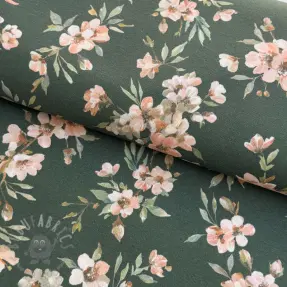
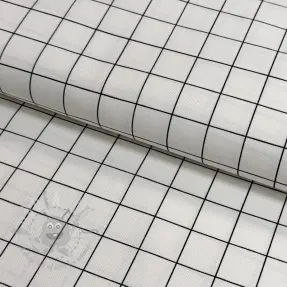
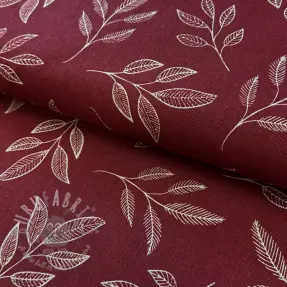
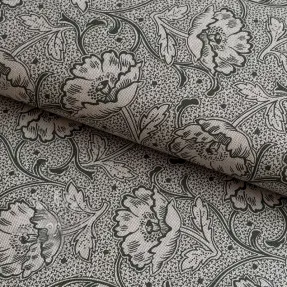
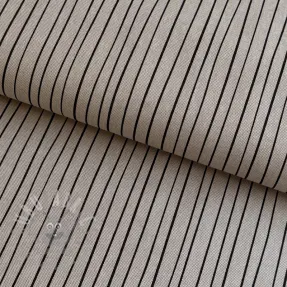
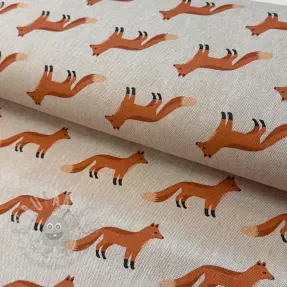
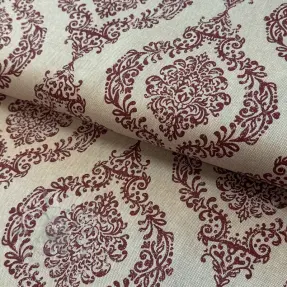
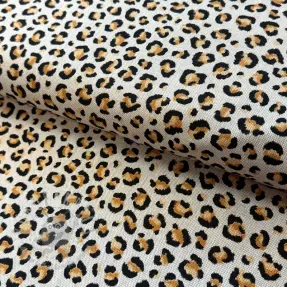
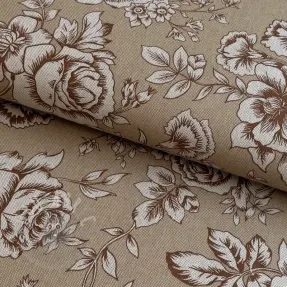
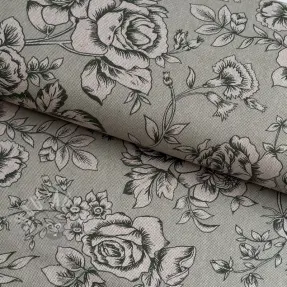
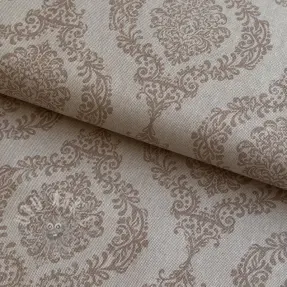
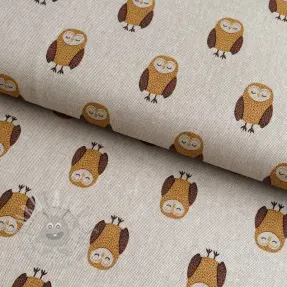
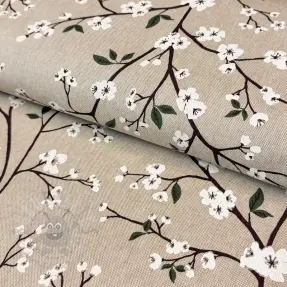
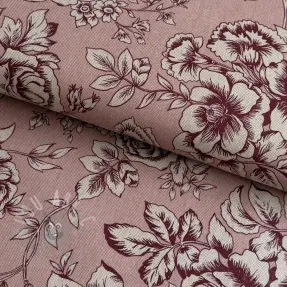
Here is the complete, unabridged English version of the knowledge base for Decorative Fabrics, designed to guide both beginners and experienced makers.
🏡 Buying Guide: Decorative Fabrics (Complete Knowledge Base)
Decorative fabrics (also known as home decor fabrics) are the "heavyweights" of the textile world. Unlike lightweight jerseys, these fabrics are designed to hold their shape, withstand daily wear and tear, and bring character to your home. Their stability makes them an ideal starting material for beginners, yet their specific characteristics offer plenty for experienced sewists to consider.
Whether you are planning new curtains, cushion covers, or a stylish tote bag, this guide will walk you through everything from material selection to final maintenance.
1. Types of Decorative Fabrics: Which One to Choose?
Not all "decor fabrics" are created equal. When choosing, look beyond the pattern and focus on the weave structure:
-
Cotton Canvas: A strong, heavy-duty, closely woven fabric with a visible weave. This is the "workhorse" of fabrics. It is ideal for backpacks, bags, heavy curtains, or tablecloths that need to endure heavy use.
-
Panama / Loneta: These fabrics feature a specific weave (resembling tiny squares). They are slightly more supple and softer than canvas, making them excellent for interior accessories like decorative pillows, placemats, or kitchen aprons.
-
Jacquard: The "royalty" of decorative fabrics. Unlike others where the pattern is printed on the surface, a Jacquard has the pattern woven directly into the structure using different colored threads. Jacquards are usually heavier, luxurious to the touch, and often reversible. They are perfect for high-end curtains, bedspreads, or upholstery covers.
-
Blackout Fabrics: A functional category featuring a hidden internal black layer that blocks light. If you want absolute darkness in your bedroom, this is your go-to choice.
2. Technical Parameters: Grammage and Directionality
When buying, two key factors determine the outcome of your project: thickness and pattern placement.
-
Grammage ($g/m^2$): This indicates how thick and heavy the fabric is.
-
140 – 190 g: Lightweight curtains, decorative pillow covers.
-
200 – 280 g and above: Heavy-duty materials for tote bags, seat cushions, and high-traffic accessories.
-
Pattern Directionality: If a pattern faces one way (e.g., animals or flowers with a clear "up"), you must place all pattern pieces in the same direction. This usually increases fabric consumption by 15 – 20%. For "all-over" or random prints, you can cut more economically.
3. Sewing Tips: Preparation and Technique
💡 Golden Rule: Pre-washing is a must!
Decorative fabrics with high cotton content tend to shrink by 3 – 8% during the first wash. Always wash the fabric at 30–40°C or thoroughly steam-iron it before cutting. This prevents your finished cushion cover from becoming too small after its first real wash.
-
Choosing Needles and Thread: Use Standard or Jeans needles in sizes 90 to 100. A standard size 70 needle will likely snap on thick canvas. Choose high-quality polyester threads—they are stronger than pure cotton and will reliably hold the weight of the material.
-
The Selvage: Always remove the selvage (the finished factory edge on the sides of the roll) before cutting. The selvage shrinks differently than the rest of the fabric and can cause your seams to pucker or pull after washing.
-
Grainline: Always cut parallel to the selvage. If you cut a cushion "on the bias" (diagonally) without meaning to, it may stretch into an awkward shape over time.
-
Finishing Edges: Because of their coarser weave, these fabrics fray easily. Always finish edges with an overlock or a zigzag stitch. For curtains, use wider double hems (e.g., 2+2 cm)—the weight of the fold helps the curtain hang more gracefully.
4. How to Combine Fabrics (The Rule of Three)
To make your interior look professionally designed, combine three types of fabrics:
-
Dominant: A large, bold motif (e.g., a floral Jacquard).
-
Complementary: A smaller pattern (polka dots, stripes) in one of the colors of the dominant fabric.
-
Accent: A solid color material (e.g., plain canvas) to visually "ground" and balance the combination.
5. Maintenance and Creative Ideas
-
Care: Always wash finished items inside out at 30°C. Avoid direct sunlight when drying to prevent the pigments from fading.
-
What to do with scraps? Decorative fabrics don't slip under the presser foot, making them perfect for small projects:
-
Fabric Buckets: Sturdy canvas holds its shape even without interfacing.
-
Eco-friendly Napkins: A stylish, sustainable replacement for disposable paper napkins.
-
Bookmarks and Pouches: Simple projects to practice straight stitching.
Short Glossary for Beginners:
-
Right and Wrong Side: The "right side" is the pretty, patterned side. With Jacquards, both sides can sometimes be equally interesting.
-
Warp and Weft: The systems of threads that form the fabric. The warp runs along the length of the roll, and the weft runs across.
-
French Seam: A technique where the raw edge is encased inside the seam—perfect for keeping the inside of your pillows from fraying.
Frequently Asked Questions (FAQ)
Q: What types of upholstery and curtain fabric are there, and what are they used for?
- A: Upholstery and curtain fabrics are sturdier textiles designed for home textiles such as curtains, sheers, tablecloths, cushions, and upholstery covers. This category includes fabrics like jacquard, tapestry, and blackout fabrics, as well as linen and cotton furnishing fabrics and blended materials. They tend to be heavier and more durable than clothing fabrics, so they hold their shape well and stand up to frequent use.
Q: What's the best fabric for curtains?
- A: Curtains work best in denser, heavier fabrics that drape nicely and block light well, such as jacquard, velvet, or blackout fabric. For bedrooms, thicker, darker fabrics are often chosen for better light blocking, while medium-weight curtain fabrics suit living rooms. Weight matters here — the heavier the fabric, the better the curtain holds its shape and blocks light.
Q: What's the difference between a sheer curtain and a drape?
- A: A sheer curtain is made from a light, transparent or semi-transparent fabric that lets light filter into the room while adding a decorative touch to the window. A drape is made from a thicker, opaque fabric that blocks light and helps insulate the room. In interior design, the two are often combined — the sheer as a light, airy layer and the drape as the functional light-blocking element.
Q: What fabric weight should you choose for a tablecloth?
- A: For tablecloths, medium to heavier-weight fabrics are recommended, since they drape nicely over the table's edge and don't wrinkle at every touch. Fabric that's too thin wrinkles and slips easily, while fabric that's too heavy can be stiff and unwieldy. For everyday practicality, cotton and blended furnishing fabrics, ideally with a stain-resistant finish, work well.
Q: How do you wash and care for upholstery and curtain fabrics?
- A: Wash upholstery and curtain fabrics according to their fiber content, usually at moderate temperatures (30-40°C) on a gentle cycle, to preserve their color and texture. Blackout and other specially treated fabrics often tolerate only lower temperatures and a gentle spin. Curtains and sheers should be washed fairly regularly, but carefully, to avoid shrinking.
Q: What's the difference between standard curtain fabric and blackout fabric?
- A: Standard curtain fabric lets some light through and is used more to complete the look of a room and provide partial shading. Blackout fabric has a dense or specially treated structure that blocks most light, making it ideal for bedrooms or children's rooms. Blackout fabrics also provide better thermal insulation for windows.
Show more...
Zobraziť menej



 Loyalty program
 News
News
 Bubusale
 info@bubufabrics.com