Frequently Asked Questions (FAQ)
Q: What is batting, and what is it used for in sewing?
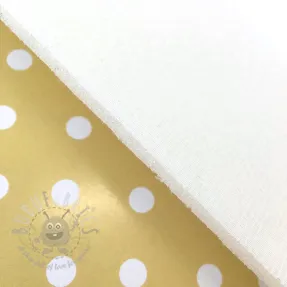
- A: Batting is a bulky filler material that adds thickness, warmth, and shape retention to garments and other sewn items. It's used as a layer in quilted jackets, quilts, blankets, seat cushions, bags, and patchwork projects. It's sandwiched between the outer fabric and the lining, where it creates a soft, plump filling.
Q: What is interfacing, and what is it used for?
- A: Interfacing is a non-woven stabilizing material that reinforces specific parts of a garment so they hold their shape better. It's most commonly applied to collars, cuffs, plackets, waistbands, and pockets. It comes in both iron-on and sew-in versions, and in various weights depending on how much stiffness you need.
Q: What's the difference between interfacing and batting?
- A: Interfacing is a thin stabilizer that reinforces fabric and helps it hold its shape, mainly used on collars, cuffs, and waistbands. Batting, on the other hand, is a bulky filler that adds thickness and warmth, ideal for jackets, quilts, and quilting projects. In short: interfacing reinforces, while batting fills and adds bulk.
Q: What's the difference between iron-on and sew-in interfacing?
- A: Iron-on interfacing has an adhesive coating on one side and is bonded to the fabric with an iron, making it a quick and convenient option for most garments. Sew-in interfacing has no adhesive and is attached to the fabric by stitching; it's used where the fabric can't be ironed or where a looser bond is needed. The choice depends on the type of fabric and the purpose of the reinforcement.
Q: How do you correctly iron on interfacing?
- A: Place the interfacing adhesive-side down on the wrong side of the fabric and press it with a medium to high heat setting, without sliding the iron, so the adhesive activates evenly. Hold the iron in place for a few seconds, then move on and cover the whole area step by step. For better adhesion, it helps to lay a damp cloth over the interfacing and let the bond cool before handling.
Q: What weight of interfacing is best?
- A: Choose the weight based on the fabric's thickness and the stiffness you need. Lighter interfacing suits fine, thin fabrics so the reinforcement doesn't feel too stiff, while heavier interfacing is used for sturdier parts like waistbands and collars. For batting, the weight determines bulk and warmth — the heavier it is, the thicker and warmer the filling.




 Loyalty program
 News
News
 Bubusale
 info@bubufabrics.com