Frequently Asked Questions (FAQ)
Q: What types of sewing thread are there, and how do you choose the right one?
- A: The most commonly used thread is all-purpose polyester, alongside cotton thread, specialty overlock/serger thread, embroidery thread, and extra-strong heavy-duty thread for thick materials. Always choose thread to match the fabric: for stretchy knits, use a polyester thread with a bit of give; for cotton fabrics, cotton or polyester thread both work well. The thread's thickness should match both the fabric's weight and the needle size.
Q: What's the difference between polyester and cotton thread?
- A: Polyester thread is strong, slightly stretchy, and durable, making it suitable for most garments, including stretch fabrics. Cotton thread has less give and is better suited to cotton fabrics, patchwork, and projects where stretch isn't needed. For everyday home sewing, all-purpose polyester thread is the most practical choice.
Q: How do you choose the right thread thickness for your fabric and needle?
- A: Thread thickness is usually indicated by a number on the spool, where a higher number means a finer thread. For delicate, thin fabrics, use a finer thread with a finer needle; for heavy materials like faux leather or denim, use a stronger thread with a thicker needle. Thread, fabric, and needle should always be matched to each other so the stitches hold firmly and don't break.
Q: How do you choose a thread color so the stitches don't show?
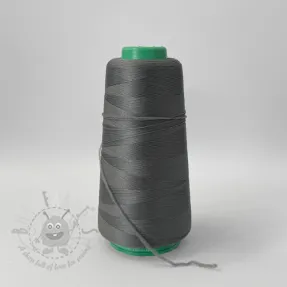
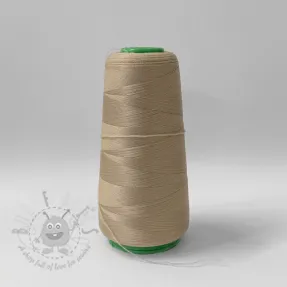
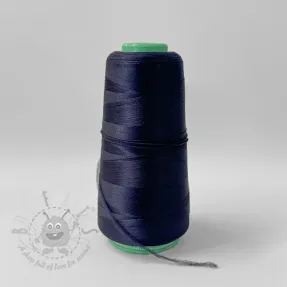
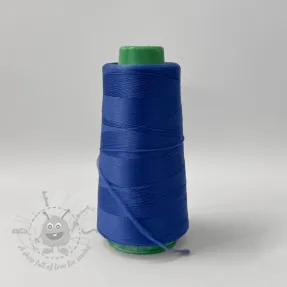
- A: If you want the stitching to blend in with the fabric, choose a thread that's one shade darker than the fabric itself, since thread tends to look lighter once stitched into the finished piece. For patterned fabrics, match the dominant color. For decorative topstitching, on the other hand, choose a contrasting thread that's meant to stand out.
Q: Why does thread break while sewing, and how can you prevent it?
- A: Thread most often breaks due to incorrect threading, thread that's too thin or of poor quality, improper upper thread tension, or a damaged needle. Check that your needle, thread, and fabric are properly matched, and make sure the needle isn't blunt. Using good-quality thread and correctly adjusting your sewing machine's tension also helps.
Q: What thread should you use for children's clothing?
- A: For children's clothing, choose good-quality, strong thread, ideally certified by OEKO-TEX to confirm it's free of harmful substances. Fine polyester thread is most commonly used, as it's strong yet gentle on the skin. Always match the thread to the fabric type, especially when working with stretchy knits.



 Loyalty program
 News
News
 Bubusale
 info@bubufabrics.com