Use a great loyalty program Ďalej
Searching

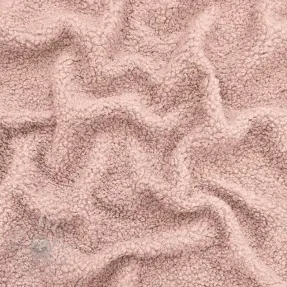
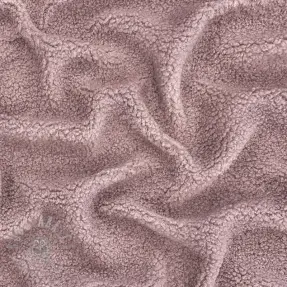
Coat Fabric by the Yard: High-Quality Wool and Coatings for Sewing Color pink

Coat Fabric by the Yard: Elegance and Warmth for Your Winter Wardrobe

Are you dreaming of the perfect coat that fits like a glove and keeps you reliably warm? At Bubufabrics, you'll find a wide selection of coat fabrics that combine style, quality, and functionality. Whether you're looking for classic wool coating, modern boiled wool, or elegant cashmere blends, our selection by the yard allows you to create a timeless piece that will last for many seasons.

Why Choose Coat Fabric from Bubufabrics?

  • Premium Materials: We offer high-quality wool blends that guarantee thermal comfort while maintaining their shape.

  • Diverse Textures: From smooth, fine coatings to structured bouclé or cozy boiled wool, which is a winter favorite.

  • Fashionable Colors: Choose from classic shades like black, camel, or grey, or go for bold seasonal colors.

  • Versatility: Our fabrics are ideal not only for coats but also for warm blazers, vests, skirts, or winter ponchos.

Sewing Tip: When sewing a coat from heavier materials, don't forget high-quality lining and interfacing to give the garment the necessary structure. We recommend using heavy-duty thread and needles in size 90 or 100. Most coat fabrics require dry cleaning to maintain their luxurious appearance.

Show more... Zobraziť menej

hide Close

Coat Fabric by the Yard: High-Quality Wool and Coatings for Sewing - Shopping Guide

Choosing the right coat fabric is the key to creating a garment that protects you from the elements while maintaining a luxurious aesthetic. At bubufabrics.com, we have curated a selection of materials that cover everything from cozy baby gear to high-end bespoke winter coats.


1. Our Coat Fabric Categories: Which one is right for you?

Our collection is built on three main pillars, each serving a specific functional and stylistic purpose:

A. Teddy & Baby Plush (Fleece-backed)

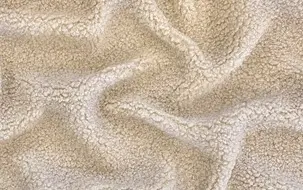
The absolute trendsetter of recent seasons. This material features a thick, soft "sheepskin" imitation on the face side and a warm, bonded fleece on the reverse.

  • Characteristics: Exceptionally warm, voluminous, yet lightweight. Because of the fleece backing, it often doesn't require an additional lining.

  • Safety: Many of our plush fabrics are OEKO-TEX Standard 100 certified, ensuring they are safe for sensitive baby skin.

  • Best for: Trendy "Teddy coats," baby bunting bags, pram suits, and cozy vests.

B. Classic Coat Fabrics (Fleece & Blends)

These are sturdy woven fabrics with varying weights, designed to be wind-resistant and durable.

  • Characteristics: Excellent structure, smooth or slightly brushed surface, and a very polished look. They are generally easier to handle for sewing beginners and offer great value.

  • Best for: Transitional coats, capes, peacoats, and modern "shackets" (shirt-jackets).

C. Woolen Fabrics (The Premium Choice)

Wool is a natural insulator that has no equal in a winter wardrobe.

  • Characteristics: Natural thermoregulation, self-cleaning properties, and incredible warmth even in lighter weights. A wool coat "breathes," wicking away body moisture while keeping the cold out.

  • Best for: Luxury winter coats, overcoats, and timeless wardrobe staples that last for decades.


2. Why Choose Quality from Bubufabrics?

  • Thermal Comfort: Our fabrics are selected to provide genuine protection against the cold, not just a seasonal look.

  • Pilling Resistance: We prioritize materials with high-quality surface finishes to ensure your coat looks new even after heavy wear.

  • Easy Handling: We offer stable materials that stay in place during cutting and sewing, making the process enjoyable for both hobbyists and pros.


3. Expert Tips for Sewing Coats

A coat is a significant project that requires careful preparation:

  • The "Nap" or Pile Direction: For fabrics like Teddy or Wool Fleece, pay close attention to the direction of the fibers. The pile should always run downward on all garment pieces. If you flip a piece, the light will reflect differently, making the coat look two-toned.

  • The Right Needle: Use Universal needles in sizes 90 to 110. When sewing through thick layers (like collars), slow down to prevent skipped stitches or broken needles.

  • Interfacing: A coat needs structure. Don't forget to stabilize the front panels, collar, cuffs, and hems with high-quality coat-weight interfacing.

  • Lining: Using a premium lining (such as acetate or viscose) makes the coat easier to slip on and significantly increases wearing comfort.


4. Care & Maintenance

  • Teddy & Plush: Can usually be machine washed on a delicate cycle (30°C/86°F). Avoid fabric softeners, as they can "clump" the fibers. Air dry only—never tumble dry.

  • Woolen Fabrics: Wool dislikes water and mechanical agitation (it can felt). We strictly recommend professional dry cleaning or simply airing the garment out in fresh air.

  • Ironing: Always iron coat fabrics through a pressing cloth (like a cotton diaper or thin linen) using steam. Never press directly on the face of the fabric to avoid "burning" the fibers or creating shiny marks.


5. Pro Tip for Parents: Working with Teddy Plush

If you are sewing for infants, Teddy Baby Plush is ideal due to its softness and certification. A practical tip: have a vacuum cleaner handy while cutting. The cut edges will release small "fluff" particles initially, but this stops completely once the edges are finished (e.g., with an overlocker).

Frequently Asked Questions (FAQ)

Q: What fabric should you choose for a winter coat?
  • A: For a winter coat, wool or wool-blend coating fabric works best, ideally with a touch of cashmere, since it keeps you warm and holds its shape well. Adding synthetic fibers boosts durability and makes the fabric easier to care for. It's important that the fabric is thick and dense enough to protect against the cold while still looking good.
Q: What is coating fabric, and what types of coat fabrics are there?
  • A: Coating fabric is a thick, densely woven material designed for making coats and outerwear. It mainly includes wool fabrics and wool blends, which are warm and hold their shape well. They vary in fiber content, weight, and finish — from smooth weaves to fabrics with a napped surface or a pattern.
Q: What weight is ideal for coat fabric?
  • A: Coating fabrics typically come in a higher weight, often around 400–600 g/m², depending on how warm and thick you want the coat to be. A higher weight means a warmer, sturdier fabric, but also a heavier coat. A lower weight is enough for a transitional coat for mild winters, while a proper heavy winter coat calls for a thicker fabric.
Q: What's the difference between pure wool and a wool blend?
  • A: A pure wool coat is excellent for warmth, naturally breathable, and has a luxurious look, but it tends to be pricier and needs more careful maintenance. A wool blend containing polyester or other fibers is more resistant to wear and wrinkling, easier to care for, and generally more affordable. For everyday wear, a wool blend is therefore often the more practical choice.
Q: How do you care for a wool coat when it comes to washing and ironing?
  • A: Wool coats generally shouldn't go in a regular washing machine — dry cleaning is recommended, or gentle hand washing if the care label allows it. Iron through a damp cloth or use steam, so the wool doesn't develop a shine or get damaged. Between wears, simply airing out and brushing the coat is enough, and it will extend its lifespan.
Q: What lining and interlining should you choose for coating fabric?
  • A: A smooth, slippery lining works well with coating fabric, making the coat easier to put on and more comfortable to wear. For extra insulation, an interlining can be added, such as batting or a thermal wadding. Parts that need to hold their shape — collars, front facings, or cuffs — should be reinforced with interfacing.
Show more... Zobraziť menej

show Show

WE WILL BE HAPPY TO ADVISE YOU

WE WILL BE HAPPY TO ADVISE YOU
E-mail Facebook Instagram