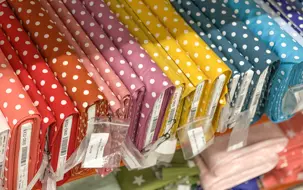
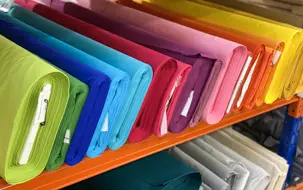
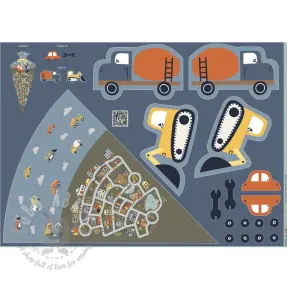
<hr data-path-to-node="2" /> <h2 data-path-to-node="3">🇬🇧 English</h2> <h1 data-path-to-node="4">1. Introduction to the World of Cotton</h1> <p data-path-to-node="5">Cotton is an absolute classic in the world of sewing. It is a natural material obtained from the seed pods of the cotton plant, beloved for its softness, strength, and versatility. At <b data-index-in-node="184" data-path-to-node="5">BubuFabrics.com</b>, you will primarily find 100% cotton fabrics that are ideal for both beginners and advanced sewists.<b data-index-in-node="301" data-path-to-node="5">Why choose cotton?</b></p> <ul data-path-to-node="6"> <li> <p data-path-to-node="6,0,0"><b data-index-in-node="0" data-path-to-node="6,0,0">Breathability:</b> The skin can breathe underneath it.</p> </li> <li> <p data-path-to-node="6,1,0"><b data-index-in-node="0" data-path-to-node="6,1,0">Absorbency:</b> It absorbs moisture excellently.</p> </li> <li> <p data-path-to-node="6,2,0"><b data-index-in-node="0" data-path-to-node="6,2,0">Hypoallergenic:</b> Suitable for sensitive skin and babies.</p> </li> <li> <p data-path-to-node="6,3,0"><b data-index-in-node="0" data-path-to-node="6,3,0">Easy maintenance:</b> Withstands higher washing and ironing temperatures.</p> </li> </ul> <h2 data-path-to-node="7">2. Types of Cotton Fabrics in Our Selection</h2> <p data-path-to-node="8">Not all cotton is the same. To choose the right one for your project, we distinguish them by weave and finish:</p> <h3 data-path-to-node="9">A. Cotton Canvas (Classic Cotton)</h3> <p data-path-to-node="10">The basic, most common fabric with a simple plain weave.</p> <ul data-path-to-node="11"> <li> <p data-path-to-node="11,0,0"><b data-index-in-node="0" data-path-to-node="11,0,0">Properties:</b> Firm, non-stretch, holds its shape well.</p> </li> <li> <p data-path-to-node="11,1,0"><b data-index-in-node="0" data-path-to-node="11,1,0">Usage:</b> Patchwork, bedding, pillows, shopping bags, face masks, aprons, skirts.</p> </li> <li> <p data-path-to-node="11,2,0"><b data-index-in-node="0" data-path-to-node="11,2,0">Weight:</b> Usually around 120–145 g/m².</p> </li> </ul> <h3 data-path-to-node="12">B. Cotton Poplin</h3> <p data-path-to-node="13">A finer and more densely woven version of cotton.</p> <ul data-path-to-node="14"> <li> <p data-path-to-node="14,0,0"><b data-index-in-node="0" data-path-to-node="14,0,0">Properties:</b> Smoother and softer to the touch than classic canvas, wrinkles less, has a subtle sheen.</p> </li> <li> <p data-path-to-node="14,1,0"><b data-index-in-node="0" data-path-to-node="14,1,0">Usage:</b> Shirts, blouses, summer dresses, children's clothing, luxury bedding.</p> </li> <li> <p data-path-to-node="14,2,0"><b data-index-in-node="0" data-path-to-node="14,2,0">BubuFabrics Tip:</b> If you are sewing clothing, poplin is a more comfortable choice than ordinary canvas.</p> </li> </ul> <h3 data-path-to-node="15">C. Cotton Satin</h3> <p data-path-to-node="16">A luxurious fabric with a satin weave (Note: do not confuse it with synthetic satin!).</p> <ul data-path-to-node="17"> <li> <p data-path-to-node="17,0,0"><b data-index-in-node="0" data-path-to-node="17,0,0">Properties:</b> Very smooth, with a fine luster, cools in summer and warms in winter. It is more fluid.</p> </li> <li> <p data-path-to-node="17,1,0"><b data-index-in-node="0" data-path-to-node="17,1,0">Usage:</b> Premium bedding, elegant blouses, dresses.</p> </li> </ul> <h3 data-path-to-node="18">D. Decorative Fabrics (Canvas / Half-Panama)</h3> <p data-path-to-node="19">Thicker cotton with a higher weight.</p> <ul data-path-to-node="20"> <li> <p data-path-to-node="20,0,0"><b data-index-in-node="0" data-path-to-node="20,0,0">Properties:</b> Strong, resistant to abrasion.</p> </li> <li> <p data-path-to-node="20,1,0"><b data-index-in-node="0" data-path-to-node="20,1,0">Usage:</b> Curtains, tablecloths, pillow covers, bags, backpacks.</p> </li> </ul> <h2 data-path-to-node="21">3. Technical Parameters and Terms (Glossary)</h2> <ul data-path-to-node="22"> <li> <p data-path-to-node="22,0,0"><b data-index-in-node="0" data-path-to-node="22,0,0">Weight (g/m²):</b> Indicates the weight of the fabric per square meter. The higher the number, the thicker and more opaque the fabric.</p> <ul data-path-to-node="22,0,1"> <li> <p data-path-to-node="22,0,1,0,0">110–140 g/m²: Classic canvas/poplin (garments, patchwork).</p> </li> <li> <p data-path-to-node="22,0,1,1,0">Above 180 g/m²: Decorative fabrics.</p> </li> </ul> </li> <li> <p data-path-to-node="22,1,0"><b data-index-in-node="0" data-path-to-node="22,1,0">Shrinkage:</b> Cotton is a natural material and will "shrink" during the first wash. Normal shrinkage is 3% to 5%.</p> </li> <li> <p data-path-to-node="22,2,0"><b data-index-in-node="0" data-path-to-node="22,2,0">Oeko-Tex Standard 100 Certificate:</b> Indicates that the fabric has been tested for harmful substances.</p> <ul data-path-to-node="22,2,1"> <li> <p data-path-to-node="22,2,1,0,0"><b data-index-in-node="0" data-path-to-node="22,2,1,0,0">Class I:</b> Suitable for children under 3 years.</p> </li> <li> <p data-path-to-node="22,2,1,1,0"><b data-index-in-node="0" data-path-to-node="22,2,1,1,0">Class II:</b> Suitable for direct contact with the skin.</p> </li> </ul> </li> </ul> <h2 data-path-to-node="23">4. Caring for Cotton Fabrics</h2> <ul data-path-to-node="24"> <li> <p data-path-to-node="24,0,0"><b data-index-in-node="0" data-path-to-node="24,0,0">PRE-WASHING (Important!):</b> Always wash the fabric before you cut into it. Cotton shrinks.</p> </li> <li> <p data-path-to-node="24,1,0"><b data-index-in-node="0" data-path-to-node="24,1,0">Washing:</b> Standard wash at 30°C or 40°C. White cotton can be washed at 60°C for disinfection.</p> </li> <li> <p data-path-to-node="24,2,0"><b data-index-in-node="0" data-path-to-node="24,2,0">Ironing:</b> Cotton can withstand high temperatures (level 3 – cotton), ideally with steam.</p> </li> <li> <p data-path-to-node="24,3,0"><b data-index-in-node="0" data-path-to-node="24,3,0">Drying:</b> A dryer can cause more shrinkage and fading of colors. We recommend air drying.</p> </li> </ul> <h2 data-path-to-node="25">5. Frequently Asked Questions (FAQ)</h2> <ul data-path-to-node="26"> <li> <p data-path-to-node="26,0,0"><b data-index-in-node="0" data-path-to-node="26,0,0">Q: Is this cotton stretchy?</b></p> <ul data-path-to-node="26,0,1"> <li> <p data-path-to-node="26,0,1,0,0">A: No. Cotton canvas and poplin are woven fabrics that do not stretch. For stretchy cotton, look for Jersey or Sweatshirt fleece.</p> </li> </ul> </li> <li> <p data-path-to-node="26,1,0"><b data-index-in-node="0" data-path-to-node="26,1,0">Q: How much fabric should I buy?</b></p> <ul data-path-to-node="26,1,1"> <li> <p data-path-to-node="26,1,1,0,0">A: Always count on shrinkage of approx. 5–10 cm per meter. It's better to buy 10–20 cm more.</p> </li> </ul> </li> <li> <p data-path-to-node="26,2,0"><b data-index-in-node="0" data-path-to-node="26,2,0">Q: Does the fabric bleed color?</b></p> <ul data-path-to-node="26,2,1"> <li> <p data-path-to-node="26,2,1,0,0">A: High-quality cottons are colorfast, but for deep colors (red, navy, black), we recommend the first wash separately.</p> </li> </ul> </li> <li> <p data-path-to-node="26,3,0"><b data-index-in-node="0" data-path-to-node="26,3,0">Q: Difference between Digital and Rotary print?</b></p> <ul data-path-to-node="26,3,1"> <li> <p data-path-to-node="26,3,1,0,0">A: Digital allows photorealistic patterns and is softer. Rotary is a traditional method for simpler patterns.</p> </li> </ul> </li> </ul> <h2 data-path-to-node="27">6. Sewing Tips for Beginners</h2> <ul data-path-to-node="28"> <li> <p data-path-to-node="28,0,0"><b data-index-in-node="0" data-path-to-node="28,0,0">Needle:</b> Use a Universal needle, size 70/80 or 80/90.</p> </li> <li> <p data-path-to-node="28,1,0"><b data-index-in-node="0" data-path-to-node="28,1,0">Thread:</b> High-quality polyester thread.</p> </li> <li> <p data-path-to-node="28,2,0"><b data-index-in-node="0" data-path-to-node="28,2,0">Stitch:</b> Classic straight stitch, length 2.5 mm.</p> </li> <li> <p data-path-to-node="28,3,0"> </p> </li> </ul>