Use a great loyalty program Ďalej
Searching

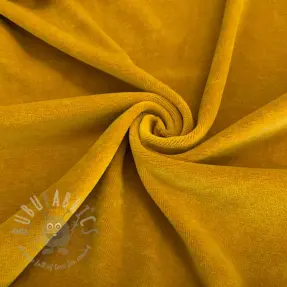
Nicky Velour by the Yard: Velvety Soft Baby Plush Fabric Color yellow

Nicky Velour by the Yard: Extraordinary Softness for the Little Ones

Are you looking for the softest material for your baby's sensitive skin? Nicky Velour, also known as Baby Plush, is the ultimate choice at Bubufabrics for those who demand maximum comfort for their children. This knitted fabric features a dense, short, and velvety soft pile on the face side, while the back is smooth. It is elastic, warm, and incredibly pleasant to the touch, making it the perfect fabric for a baby's first months.

Why choose Nicky Velour from Bubufabrics?

  • High Cotton Content: Our selection of baby plush contains a high percentage of cotton, ensuring breathability and natural comfort.

  • Certified Safety: All our plush fabrics meet strict Oeko-Tex Standard 100 requirements, making them safe even for newborns.

  • Elasticity and Durability: Thanks to the polyester blend, the fabric retains its shape even after many washes and doesn't bag out at the knees or elbows.

  • Versatile Use: Sew baby sets, rompers, overalls, hats, or cozy stroller blankets.

Sewing Tip: When sewing Nicky velour, we recommend using a "Jersey" or "Stretch" needle and a walking foot to prevent the layers from shifting. Always follow the direction of the nap to ensure a uniform color and sheen.


Show more... Zobraziť menej

hide Close

Nicky Velour by the Yard: Velvety Soft Baby Plush Fabric - Shopping Guide

Baby Plush (also known as Nicky fabric or Cotton Velour) is an exceptionally soft knit fabric that is among the most popular materials in the textile world for children's items. At bubufabrics.com, this material is a staple because it combines warmth, elasticity, and a luxurious feel that both babies and adults will fall in love with.


1. What exactly is Baby Plush?

Unlike classic velvet, which is usually woven and rigid, Baby Plush is a knit fabric. This means it is naturally elastic and pliable. It features a short, densely knitted pile on the face side and a smooth, skin-friendly surface on the reverse.

Composition: It is most commonly an optimal blend of cotton (usually 80%) and polyester (20%).

  • Cotton ensures high breathability, absorbency, and anti-allergic properties.

  • Polyester is crucial here for the "pile" of the fabric—it provides the necessary shape retention, fluffiness, increases durability, and prevents excessive wrinkling.


2. Key Benefits of the Material

  • Absolute Softness: The pile is designed to be so fine that it does not irritate even the most sensitive skin of newborns or those with eczema.

  • Thermoregulating Properties: Thanks to the density of the fibers, plush creates an insulating air layer that maintains natural body heat without overheating.

  • Durability: High-quality Baby Plush does not pill as easily as standard knits and retains its color vibrancy even after dozens of washes.

  • Elasticity: The material stretches crosswise, ensuring that clothing "grows" with the child and does not restrict movement during crawling or first steps.


3. What can you sew with it?

The uses for Baby Plush go far beyond just baby gear:

  • For Babies: Overalls, rompers, knotted hats, warm leggings, and neck warmers.

  • For Kids & Adults: Comfortable loungewear (homewear), hoodies with animal ears, luxury-feel robes, or "pajama eaters" (soft toy storage).

  • Accessories & Interior: Linings for winter footmuffs and swaddles, soft stroller blankets, decorative pillows in the shape of clouds or stars.

  • Toys: This is the top material for making "loveys" (security blankets), stuffed animals, and sensory toys.


4. Expert Sewing Tips (For a professional result)

Working with plush requires a bit of patience, but the result is worth it:

  • The Direction of the Nap (Crucial!): Plush has a direction. When you run your hand over it and the fibers lay flat and shiny, that is "with the grain." Cut all pattern pieces in the same direction. If you flip one piece, the finished garment will look like it has different colors due to light reflection.

  • Fixing Fabric Against Slipping: Plush layers tend to slide against each other during sewing.

    • Tip: Use a walking foot or reduce the presser foot pressure. Use plenty of pins or clips placed perpendicular to the seam.

  • Needle and Stitch Choice: Use a Jersey (Ball point) needle. A sharp needle could cut the delicate loops of the knit and cause holes later. Use a stretch stitch (zigzag or overlock stitch) so the threads don't snap when the garment is stretched.

  • Dealing with Lint: Fine fibers are released from the raw edges when cutting. Keep a lint roller or a damp cloth nearby. Once the edges are finished (ideally with an overlocker), the shedding stops immediately.


5. Care: How to keep plush like new

  • Washing: We recommend 30°C to 40°C. Always wash garments inside out to protect the pile from friction against the washing machine drum.

  • Drying: The dryer is plush's best friend! A short cycle on a low temperature "combs out" the pile and makes it fluffy again. The material will be even softer than if air-dried on a line.

  • Ironing: Caution! Never iron directly on the face side (this will flatten the nap and kill the shine). If ironing is necessary, iron only on the reverse side at a low temperature with plenty of steam.

Show more... Zobraziť menej

show Show

WE WILL BE HAPPY TO ADVISE YOU

WE WILL BE HAPPY TO ADVISE YOU
E-mail Facebook Instagram