Q: What is softshell and outdoor fabric, and what is it used for?
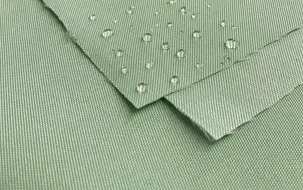
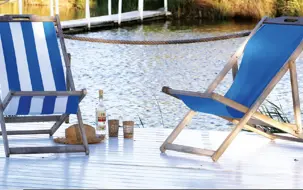
A: Outdoor fabrics are durable textiles designed for outdoor use, a category that includes both windbreaker fabric and softshell. They're water-repellent to fully waterproof, resistant to wind and abrasion, and often come with a water-repellent finish. They're used to sew jackets, raincoats, and sportswear, as well as awnings, outdoor furniture covers, and other outdoor accessories.
Q: What's the difference between windbreaker fabric and softshell?
A: Windbreaker fabric is a light, thin, smooth material that makes a characteristic rustling sound when you move, and it's both wind-resistant and water-repellent. Softshell is thicker and multi-layered, with a warm inner surface and often a membrane, making it warmer and more durable. Windbreaker fabric suits light jackets and sportswear, while softshell is better for warmer jackets.
Q: What does the water column rating mean, and how do I recognize a waterproof fabric?
A: The water column rating indicates, in millimeters, how much water pressure a fabric can withstand before it starts to let water through — the higher the number, the more water-resistant the fabric. Values from around 1,500 mm are considered water-resistant, while higher values indicate a genuinely waterproof fabric. When choosing fabric for rainwear, check this figure along with information about the water-repellent finish and taped seams.
Q: What's the difference between water-repellent and waterproof fabric?
A: Water-repellent fabric has a surface finish that makes water bead up and roll off, but it can let water through during prolonged or heavy rain. Waterproof fabric, usually featuring a membrane or coating and a higher water column rating, withstands water even under greater pressure. You can tell the difference by checking the water column figure and the finish described in the fabric details.
Q: How do you wash outdoor and waterproof fabrics?
A: Wash waterproof fabrics at a low temperature on a gentle cycle, without fabric softener, which clogs the surface finish and reduces water repellency. Use a liquid detergent, ideally one designed for technical fabrics. The water-repellent finish can be restored later with a suitable impregnation treatment.
Q: Can you restore the water-repellent coating at home?
A: Yes, you can restore the water-repellent coating at home using an impregnation spray or a wash-in treatment designed for technical and outdoor fabrics. The coating wears off over time from washing and use, so it's a good idea to reapply it whenever water stops beading off the surface. The fabric should be clean before you apply the treatment.
 remove filter



 Loyalty program
 News
News
 Bubusale
 info@bubufabrics.com