Use a great loyalty program Ďalej
Searching

Viscose Fabric by the Metre: Breathable and Soft Fabrics for Dresses Theme Meal

Viscose: Breathable and Soft Fabric for Your Most Comfortable Designs

Discover the effortless elegance of our viscose collection, a material that combines the best of both worlds – the softness of silk and the breathability of cotton. In the Viscose category at BubuFabrics.com, you’ll find a wide selection of this beloved fabric, perfect for anyone seeking comfort, elegance, and a natural feel against the skin.

Why Choose Viscose from BubuFabrics?

Viscose is a semi-natural fiber made from cellulose, making it incredibly pleasant to wear even on the hottest days. Our viscose dressmaking fabric stands out for several reasons:

  • Exceptional Breathability: Viscose wicks away heat beautifully, making it the queen of summer wardrobes.

  • Elegant Drape: The fabric flows with the body, creating a sophisticated silhouette.

  • Soft to the Touch: It is gentle and non-irritating, which is essential for sensitive skin.

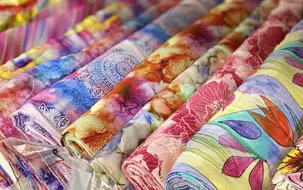
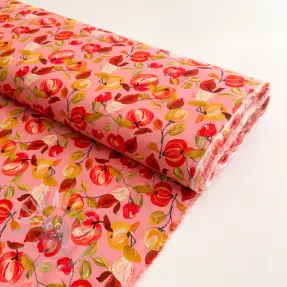
  • Stunning Prints: From romantic florals to bold modern abstractions.

How to Care for Viscose?

Viscose requires gentle care. We recommend washing at low temperatures (up to 30°C) and ironing on the reverse side. As it has a natural base, the fabric tends to shrink slightly during the first wash, so don't forget to pre-wash before cutting your pattern.


Show more... Zobraziť menej

hide Close

Viscose Fabric by the Metre: Breathable and Soft Fabrics for Dresses - Shopping Guide

Viscose is a fascinating material that combines the best of both worlds: the comfort of natural fibers and the sophisticated aesthetic of silk. Although manufactured, its base is pure plant-based cellulose. At bubufabrics.com, we offer viscose that is incredibly gentle on the skin, exceptionally breathable, and—thanks to its thermo-regulating properties—ideal for both sweltering summer days and year-round layering.

1. Why We Love Viscose (Material Properties)

  • Breathability: Viscose breathes better than cotton. It wicks away moisture and provides a pleasant cooling sensation in summer.

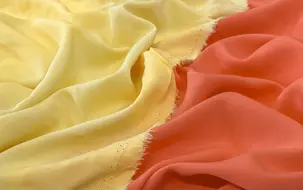
  • Beautiful Drape: It has a wonderful, soft "fluidity." The fabric doesn't cling to the body but gracefully follows its silhouette.

  • Vibrant Colors: Viscose fibers absorb dyes exceptionally well, ensuring that prints look vivid and stay saturated even after many washes.

  • Eco-Friendly Edge: As a wood-pulp-based material, it is biodegradable and offers a more sustainable alternative to purely synthetic fibers.


2. Types of Viscose Fabrics in Our Collection

  • Viscose Poplin (Woven Viscose): A stable fabric without stretch. Perfect for blouses, dresses, skirts, and flowy palazzo pants.

  • Viscose Jersey (Knit): A soft, stretchy material usually containing elastane. The most popular choice for T-shirts, wrap dresses, and cardigans.

  • Viscose Twill: Recognizable by its characteristic diagonal weave. It is slightly heavier, less prone to wrinkling, and feels very luxurious—excellent for blazers, shirts, or autumn dresses.


3. Sewing Inspiration: What to Create

👗 Women's Fashion

  • Summer Dresses: From romantic floral maxis to minimalist slip dresses.

  • Blouses and Tunics: Viscose adds a touch of elegance to any pattern.

  • Wide-Leg Pants and Shorts: Experience a sense of lightness that you'll appreciate with every movement.

🌙 Loungewear and Sleepwear

  • Luxury Pajamas and Robes: Due to its softness, viscose is the ultimate choice for nightwear that prevents overheating.


4. Sewing and Care Tips: How to Handle Viscose Like a Pro

Viscose can be a bit "slippery" and temperamental, so here are our expert tricks:

  • Mind the Shrinkage (Crucial Step!): Viscose shrinks more than cotton (often 8–12%). You must pre-wash the fabric or give it a heavy steam iron before cutting. This prevents the heartbreak of your finished garment being too small after its first real wash.

  • The Right Needle: Use fine needles like Universal or Microtex (size 70 to 80). A needle that is too thick might leave visible holes in the delicate weave.

  • Fixation During Cutting: Since viscose tends to "crawl" while you work, use pattern weights and a rotary cutter on a mat, or pin it very thoroughly. Placing tissue paper underneath while cutting can also help stabilize it.

  • Washing and Drying: Use a gentle cycle at 30°C. Never wring viscose aggressively, as wet fibers are more fragile and can break. Air-dry flat or on a hanger.

  • Ironing: Iron on a low/medium setting on the reverse side. If ironing on the right side, use a pressing cloth to avoid creating unwanted shiny marks.

Frequently Asked Questions (FAQ)

Q: What is viscose and what are its properties?
  • A: Viscose is a fabric made from chemically processed natural cellulose, most often derived from wood, which is why it's classified as a semi-synthetic or man-made fiber of natural origin. It's soft, drapey, pleasantly cool to the touch, and absorbs moisture well, giving it qualities similar to natural materials like cotton. Thanks to its beautiful drape, it's especially well suited for dresses, blouses, and skirts.
Q: Is viscose good for summer dresses and blouses?
  • A: Yes, viscose is one of the most popular fabrics for summer clothing. It's lightweight, breathable, and cool, absorbs sweat well, and drapes beautifully, giving dresses and blouses a lovely flow. When choosing fabric for a dress, just make sure it isn't too thin or see-through.
Q: Is viscose a natural or a man-made material?
  • A: Viscose is what's known as a regenerated fiber, created by chemically processing natural cellulose from wood. The raw material is natural, but the fiber itself is manufactured, so viscose doesn't fall neatly into either the natural or fully synthetic category. Because of its cellulose origin, it shares several properties with cotton.
Q: How do you wash viscose so it doesn't shrink or lose its shape?
  • A: Wash viscose at a low temperature, generally no higher than 30°C, on a gentle cycle with a low spin speed, or by hand, since it becomes weaker and more prone to distortion when wet. Avoid wringing or twisting it forcefully. Many viscose fabrics can shrink slightly during washing, so it's best to follow the manufacturer's care instructions.
Q: Can I tumble-dry viscose?
  • A: Tumble-drying viscose is generally not recommended, since the heat and mechanical action can cause it to shrink and lose its shape. It's better to air-dry it, ideally laid flat or hung loosely, so it doesn't stretch out of shape. After washing, gently squeeze out excess water without wringing.
Q: What's the difference between viscose jersey and woven viscose?
  • A: Woven viscose has a firmer, more stable structure with no stretch, and is used mainly for dresses, blouses, and skirts with a beautiful drape. Viscose jersey is knitted, so it's stretchy and flexible, making it ideal for t-shirts and more relaxed styles. Your choice depends on whether you need a fabric that holds its shape or one with stretch.
Show more... Zobraziť menej

show Show

WE WILL BE HAPPY TO ADVISE YOU

WE WILL BE HAPPY TO ADVISE YOU
E-mail Facebook Instagram