Frequently Asked Questions (FAQ)
Q: What are webbing straps and what are they used for?
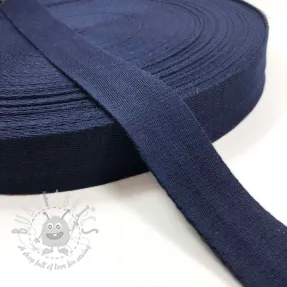
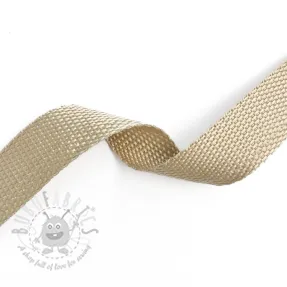
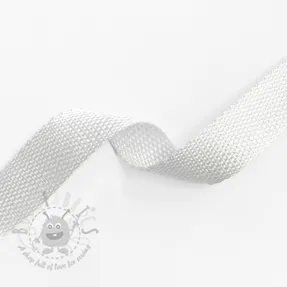
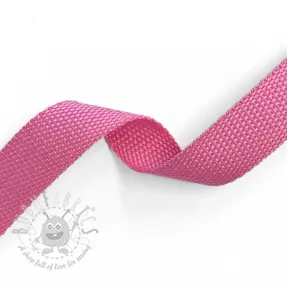
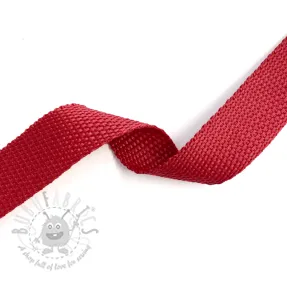
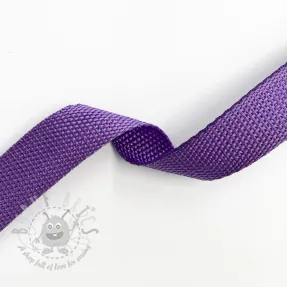
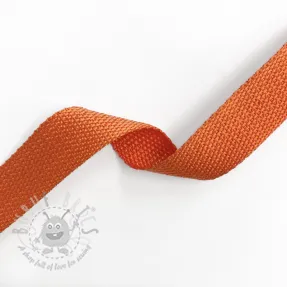
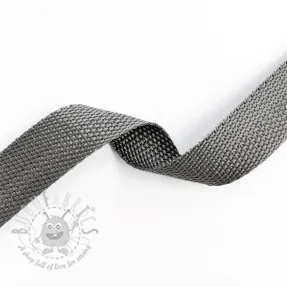
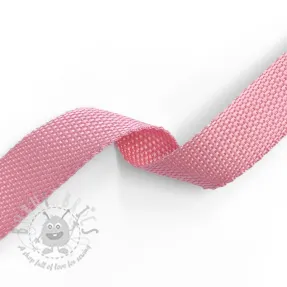
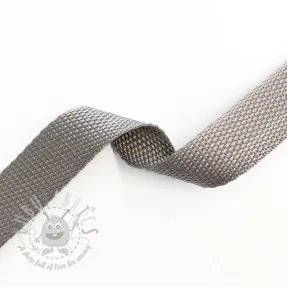
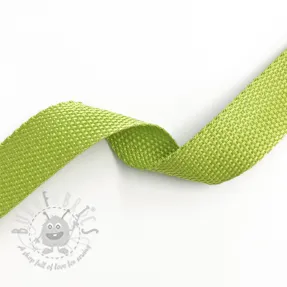
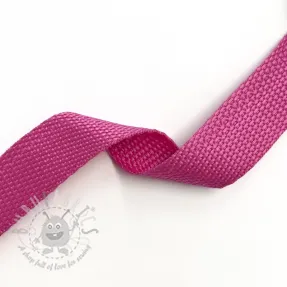
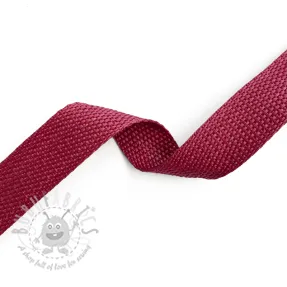
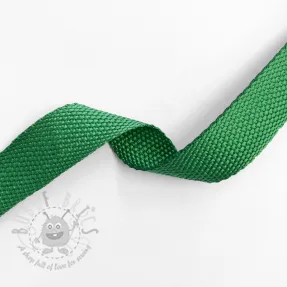
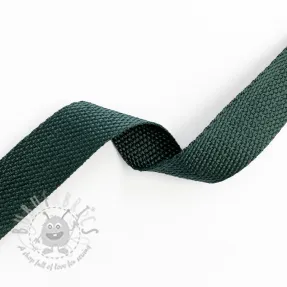
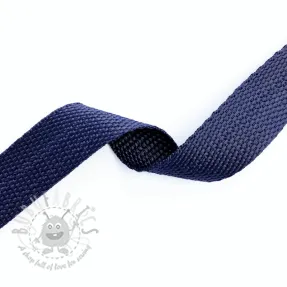
- A: Webbing straps are sturdy, tightly woven textile bands used in sewing as load-bearing and functional elements. They're commonly used for bag and backpack handles and straps, belts, dog leashes, and reinforcing edges. Thanks to their dense weave, they can bear heavy loads without stretching out of shape.
Q: What's the difference between cotton, polyester, and polypropylene webbing?
- A: Cotton webbing is soft, pleasant to the touch, and has a natural look, but it absorbs moisture more readily. Polyester webbing is strong, abrasion-resistant, and holds its shape well, making it a great choice for load-bearing straps. Polypropylene webbing is lightweight, more affordable, and moisture-resistant, and is mainly used for technical and outdoor applications.
Q: What width of webbing is best for a handbag or backpack?
- A: The right width depends on the purpose and the load it needs to carry. Narrower webbing is typically used for handbags and bags, while backpacks and straps that carry heavier loads call for wider webbing, since it spreads the pressure across the shoulder more evenly. Width should also match the size of the buckles and hardware you plan to use.
Q: What kind of webbing is suitable for carrying heavier loads?
- A: For carrying heavier loads, choose a densely woven, wider strap made from a strong material, most commonly polyester or polypropylene. These webbings hold up better under strain and resist stretching. On heavily loaded straps, it's a good idea to reinforce the stitching, for example with a box-and-cross stitch pattern, so the seam can withstand repeated stress.
Q: How is webbing sewn onto a bag or backpack?
- A: Webbing should be sewn on with a heavy-duty needle and strong thread so the seam can bear the load. It's best to seal or finish the ends of the strap before sewing to keep them from fraying. On stress points, it's advisable to stitch the edge several times, often in a box shape with a cross through it, which significantly strengthens the attachment.
Q: How do you care for webbing straps so they don't stretch out?
- A: Wash webbing straps according to the material's care instructions; synthetic straps tolerate lower temperatures and dry quickly. Avoid excessive wringing and high-heat tumble drying, as these can distort the fibers. Cotton webbing may lose its shape slightly at high temperatures, so wash it more gently.




 Loyalty program
 News
News
 Bubusale
 info@bubufabrics.com